As the application scope of electronic paper (ePaper) expands from static reading and signage to more dynamic visual content, display technologies capable of faster response and higher image quality are gaining attention. Electrowetting ePaper display technology represents one of the most promising directions in this evolution. By controlling microscopic fluid movement with electric fields, electrowetting displays combine the low-power, reflective advantages of ePaper with performance characteristics traditionally associated with video-capable screens.
What Is the Structural Design of an Electrowetting Display Module?
An electrowetting monochrome display module is built around a sealed microfluidic cavity formed by an upper and a lower substrate. Inside this cavity are two immiscible liquids: a polar liquid and a non-polar liquid. These fluids do not mix and respond differently to electric fields, forming the foundation of electrowetting display behavior.
The lower substrate consists of a support plate, a first electrode, a hydrophobic insulating layer (or an insulating layer coated with hydrophobic material), and pixel walls. The upper substrate includes a support plate, a second electrode, sealing adhesive, and structural spacers. Together, the pixel walls on the lower substrate define individual pixel cells that act as isolated display units.
A critical design detail lies in the wettability contrast within each pixel. The pixel wall material has lower hydrophobicity than the hydrophobic insulating layer, and it exhibits preferential affinity toward either the polar or non-polar liquid. This difference in surface energy allows the system to confine the non-polar liquid within each pixel cell while preventing fluid crossflow between neighboring pixels. As a result, every pixel remains optically and mechanically independent.
How Electrowetting Controls Light and Grayscale
Electrowetting ePaper operates on a two-phase fluid system constrained by pixel walls. When an electric field is applied, it modifies the interfacial tension between the liquid layers and the insulating surface. This change causes the display fluid to spread or contract within the pixel cell.
In the optical “off” state, a thin layer of colored, light-absorbing oil spreads across the pixel, blocking reflected light. In the “on” state, the oil retracts toward the pixel corner, exposing the reflective background and allowing light to return to the viewer. By precisely adjusting the applied voltage, the system can control the extent of fluid movement, thereby enabling continuous grayscale modulation.
Unlike electrophoretic displays, which rely on particle migration, electrowetting displays achieve image formation through fluid interface motion, offering fundamentally faster response behavior.
Why Electrowetting Displays Achieve Ultra-Fast Switching
One of the defining advantages of electrowetting ePaper is its exceptional optical response speed. The movement of the liquid interface occurs at centimeter-per-second scale, allowing individual pixels to complete optical switching in under 10 milliseconds. This performance is orders of magnitude faster than traditional electrophoretic ePaper, which often requires seconds for a full refresh.
The fast response originates from the physics of electrowetting: instead of transporting solid particles through viscous media, the display manipulates ultra-thin liquid films whose expansion and contraction occur rapidly under electric fields. As a result, electrowetting ePaper can support high frame-rate video playback, making it suitable for applications that demand motion, animation, or frequent updates.
How Color Is Achieved Through Vertical Mixing
While the basic electrowetting display unit is monochrome, color rendering is achieved through vertical color mixing. By stacking two or three monochrome electrowetting layers, each using a different colored oil, the display can produce full-color output.
This approach differs fundamentally from the planar RGB color filter method used in electrophoretic microcapsule ePaper. Because electrowetting employs absorptive color fluids rather than transmissive filters, it can theoretically deliver higher reflectivity and greater effective resolution. In practice, vertical color mixing can achieve up to 1.5 times the reflectance and three times the resolution potential of comparable planar-filter-based color ePaper designs.
This optical efficiency makes electrowetting particularly attractive for large-format or high-resolution reflective displays where brightness and clarity are critical.
Comparing Electrowetting to Other ePaper Technologies
Electrowetting ePaper occupies a unique position within the broader ePaper ecosystem. Compared with microcapsule and microcup electrophoretic displays, electrowetting sacrifices bistability—meaning it requires power to maintain an image—but gains dramatically higher speed and resolution. Compared with LCDs, it eliminates backlighting, resulting in significantly lower power consumption and improved outdoor readability.
This balance makes electrowetting an ideal solution for dynamic reflective displays that need to present rich visuals without the energy burden of emissive screens.
Application Potential of Electrowetting ePaper
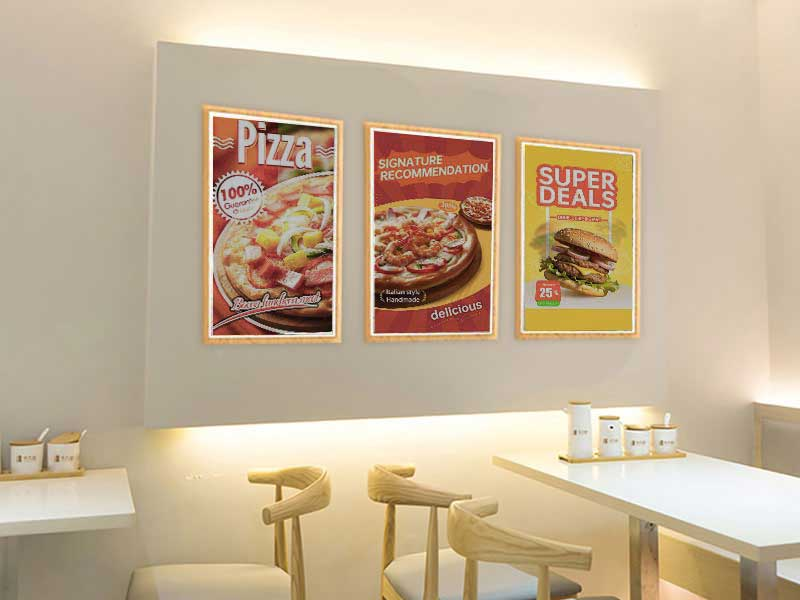
Thanks to its fast response and color efficiency, electrowetting ePaper is well suited for applications such as digital signage, information boards, transportation displays, and advanced advertising panels. Its ability to combine motion-capable visuals with low power consumption aligns closely with the growing demand for sustainable, always-on display systems in public and commercial environments.
As manufacturing processes mature and integration complexity decreases, electrowetting technology is expected to play a growing role in next-generation reflective display solutions.
SEEKINK and Full-Color ePaper Display Solutions
While electrowetting ePaper excels in fast refresh and dynamic visuals, most current ePaper deployments still rely on electrophoretic display for its superior energy efficiency and long-term image stability. SEEKINK actively explores and integrates advanced electrophoretic ePaper technologies to deliver practical, high-performance display products. S315E6 Spectra 6 E-ink Wall-mounted Billboard demonstrates SEEKINK’s commitment to combining vivid visuals, low power consumption, and commercial-grade reliability.
