E-paper technology is gaining rapid traction in various industries due to its low power consumption, flexibility, and paper-like display. Central to the functionality of e-paper displays are three main components: the backplane, driving chips, and supporting materials used in the manufacturing process. This article will delve into the segment code backplane technology, the role of driving chips, and the manufacturing ecosystem that supports the production of high-quality e-paper modules.
Segment Code Backplane Technology in E-Paper Displays
A unique aspect of e-paper displays is the ability to represent information through different display technologies. Segment code backplanes are one of the major types of backplane technology used in e-paper displays, especially in applications that use simple graphics or digit-based designs.
These backplanes are built using TFT technology, similar to the pixel matrix screens used in more advanced e-paper displays. However, segment code backplanes are typically used in applications that involve basic numbers or alphanumeric characters. For example, they may display up to 910 different numbers using combinations of 7-segment fields.
The segment code backplane design enables FPC (Flexible Printed Circuit), screen printing, or flexible printed circuits based on conductive ink to be used in production. The conductive ink technology, particularly roll-to-roll production methods, can achieve multi-layer circuits on a single side of a flexible substrate, offering enhanced water resistance compared to traditional methods.
These segment displays are an excellent choice for applications like electronic shelf labels, where displayed data is relatively simple and requires quick, low-power performance.
The Role of Drive Chips in E-Paper Displays
Drive chips are integral to the functionality of e-paper displays. These chips are responsible for controlling the visual output of the display by coordinating the display’s refresh cycles and pixel data. There are two main types of driving chips used in e-paper modules: TTL (parallel) for reading interfaces and SPI (serial) for tag-based displays.
Among these, SPI interface driving chips dominate the market, accounting for over 95% of all e-paper drive chips. SPI chips are popular because they do not require external TCON (Timing Controller) chips, simplifying the overall design of the e-paper display module. These All-in-One chips integrate various components like timing control IP, power management, and temperature detection functionalities. This integration makes them cost-effective and easier to use, particularly in applications like smart labels and e-readers.
The role of the drive chip is not just in controlling the refresh rate but also in managing the power consumption of the e-paper display, allowing it to remain energy-efficient and functional even during prolonged use without needing a backlight.
Supporting Materials for E-Paper Module Manufacturing
The manufacturing of e-paper modules involves several crucial supporting materials that ensure high performance and longevity. These materials include adhesives, protective films, and flexible circuit boards, all of which form part of the e-paper manufacturing ecosystem.
Adhesives and Glues: One of the most important materials in the e-paper module production process is the edge-sealing adhesive, which is applied around the edges of the e-paper module to prevent moisture from entering. These adhesives need to be stored at temperatures between -20°C and -40°C and have a relatively long curing time of about 1-2 hours. The properties of these adhesives, especially their water resistance, directly impact the quality of the e-paper modules. To improve waterproofing, some manufacturers have incorporated graphene into their adhesive formulations, enhancing the performance of the module.
Flexible Circuit Boards: The use of flexible printed circuit boards (FPCs) in e-paper displays enables the e-paper modules to maintain their lightweight and flexible properties. This is particularly important for devices like e-readers and smart labels, which require both durability and flexibility.
Protective Films: PS (polystyrene) protective films are used to shield the e-paper displays from environmental damage, such as scratches or moisture. These films play a significant role in extending the lifespan of e-paper modules, especially in outdoor applications like electronic shelf labels and digital signage.
Advances in E-Paper Module Manufacturing Ecosystem
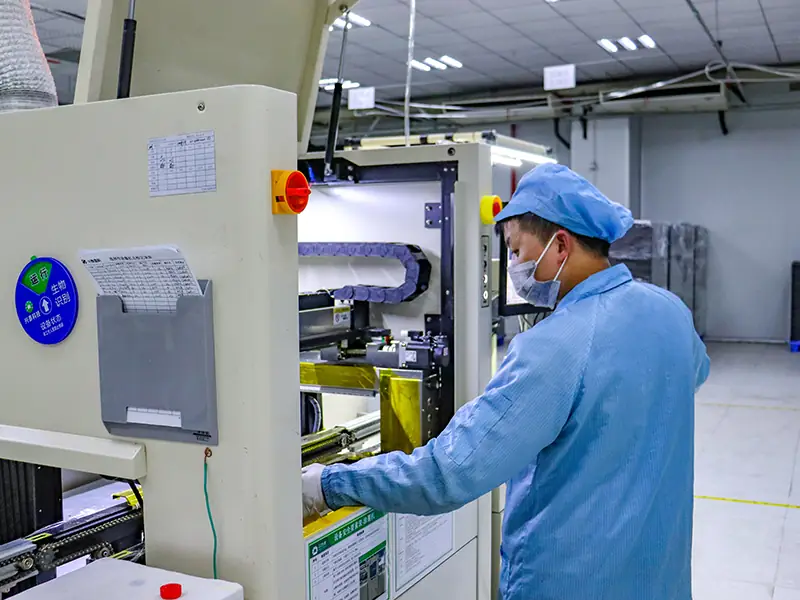
The manufacturing process for e-paper modules has become increasingly automated, thanks to improvements in both automation technology and the development of high-efficiency equipment. Since 2018, the domestic automation equipment market has matured, increasing production capacity to around 800-900 pieces per hour. Key advancements include automatic bonding particle detection, automatic OTP (one-time programming) equipment, and automatic visual inspection systems.
These advancements in e-paper manufacturing technology are driving down production costs, improving efficiency, and increasing product yield. The growing e-paper industry is benefitting from these technologies, as they enable manufacturers to meet the rising demand for e-paper applications across various industries.
SEEKINK: Leading Innovation in E-Paper Displays
SEEKINK offers a wide range of high-performance e-paper solutions for various industries. We provide e-paper modules in different sizes and colors to meet your specific product requirements. With a strong focus on sustainability, innovation, and quality, SEEKINK is shaping the future of e-paper technology, providing solutions that are both functional and eco-friendly. Whether you’re in the market for e-readers, digital signage, or electronic shelf labels, SEEKINK offers reliable and high-quality products that meet the growing needs of industries around the world.
