Electronic paper (ePaper) technology is fundamentally driven by one core mission: digitally and sustainably replacing traditional paper. By combining ultra-low power consumption, excellent readability, and long image retention, ePaper enables information to become reusable, updatable, and connected. As the technology matures, ePaper applications have expanded into two major directions—the consumer electronics market and the industry (B2B) market—each with distinct needs, ecosystems, and development paths.
From Single-Use Paper to Digital Reusability
Traditional paper is widely used because it is readable, lightweight, and low-cost, but it is also disposable and inefficient in a digital world. ePaper bridges this gap by preserving paper’s visual comfort while adding digital, wireless, and recyclable attributes. Content can be updated remotely, reused indefinitely, and integrated with IoT systems, significantly reducing paper waste and operational costs.
This value proposition explains why ePaper adoption has accelerated across both personal devices and large-scale industrial systems.
Evolution of ePaper in the Consumer Electronics Market
In the consumer electronics segment, ePaper applications initially focused on a single category: eReaders. Over time, this market has diversified significantly as hardware capabilities and user expectations evolved.
Today, consumer ePaper products include ePaper digital notebooks for office and education use, combining handwriting input with long battery life and eye comfort. Dual-screen smartphones and dual-screen laptops integrate ePaper displays as secondary screens for notifications, reading, or productivity, reducing power usage compared with traditional LCD panels.
Other consumer-facing applications include ePaper smartwatches, ePaper clocks and temperature-humidity meters for smart homes, and standalone ePaper monitors designed for reading or dashboard-style information display. Across all these products, the core advantages remain consistent: minimal eye strain, long standby time, and a paper-like viewing experience that supports extended use.
Industry Applications Powered by ePaper and IoT
In the industry market, ePaper’s role becomes even more transformative. When combined with IoT connectivity, ePaper enables large-scale digitalization of processes that were previously paper-based, manual, and inefficient.
In retail, electronic shelf labels (ESL) have become one of the most successful ePaper applications, allowing prices and product information to be updated in real time across thousands of locations. In healthcare, ePaper bedside cards, door plates, and patient information panels improve accuracy while reducing manual labor.
Education has adopted ePaper homework and assignment boards, while offices increasingly use ePaper desk nameplates and meeting room signage. In transportation, solar-powered ePaper bus stop signage, metro handle advertising displays, and aviation ePaper baggage tags demonstrate how ePaper supports outdoor, low-maintenance deployments.
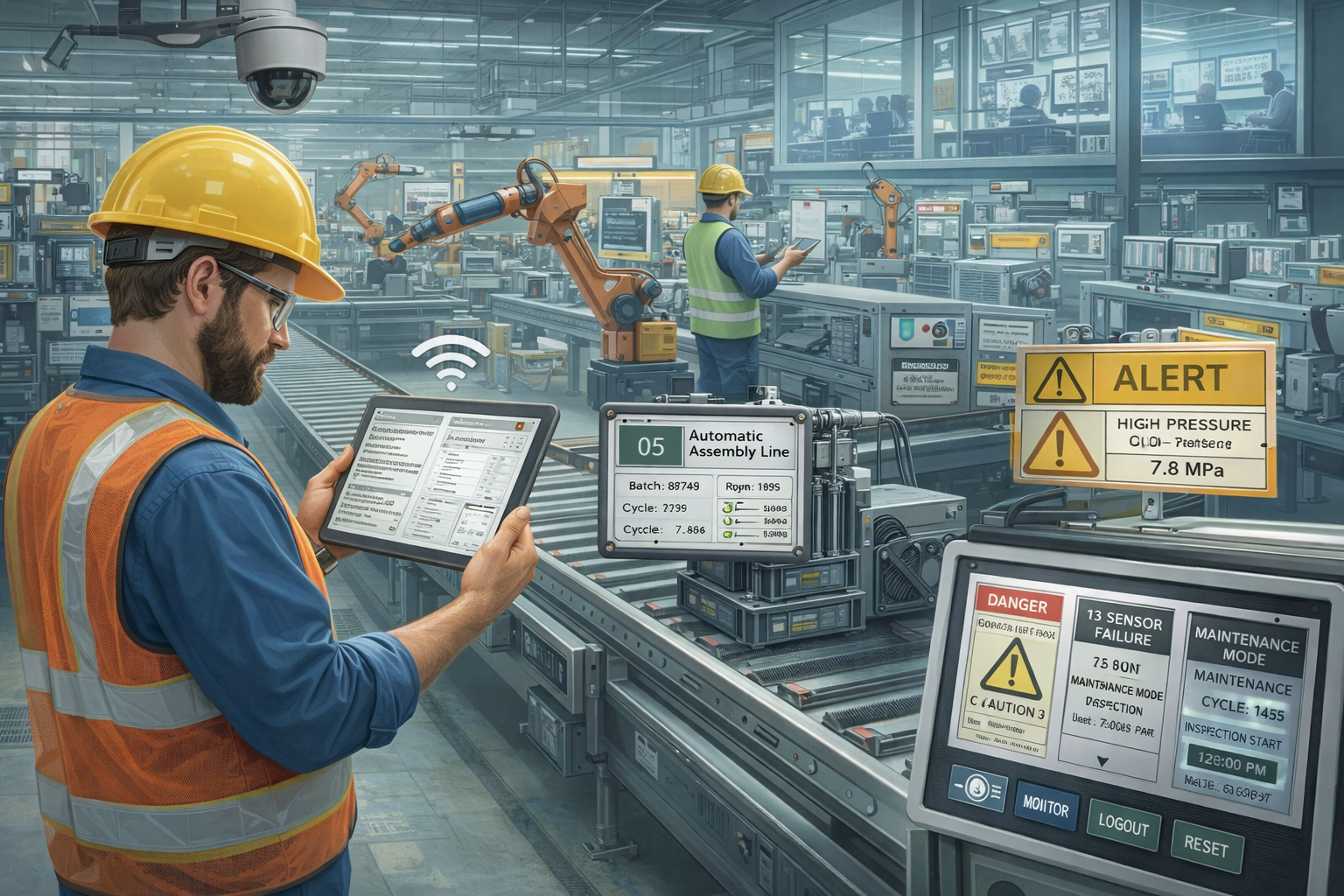
Industrial and logistics sectors also benefit from paperless work orders, production flow cards, and smart shipping labels, enabling real-time updates and traceability. Across these scenarios, ePaper acts as a physical-digital interface that remains readable without continuous power.
Shared but Specialized Industry Chain Structure
Although ePaper products serve different markets, their industry chain structure closely resembles that of conventional electronics and communication devices. At a high level, the chain includes system integrators, solution developers, ODM/OEM manufacturers, cloud platforms, brand owners, and distribution channels.
For reading-oriented consumer devices, an additional layer—content providers—plays a critical role. These content ecosystems are often shared with smartphones and tablets, leveraging platforms such as digital reading apps and online bookstores. This shared ecosystem accelerates adoption by reducing barriers to content access.
At the terminal manufacturing level, ePaper devices follow a familiar electronics pathway: chips, electronic components, PCB, protective cover glass, batteries, touch modules, optical bonding, SMT assembly, and OEM manufacturing. However, ePaper also introduces unique supporting industries that distinguish it from traditional displays.
ePaper-Specific Supporting Technologies
Certain technologies are particularly critical to ePaper devices and form a specialized application ecosystem.
Chips and controllers must be optimized for ultra-low power operation and temperature-adaptive waveform control. Touch technologies, including capacitive and specialized pen input, are adapted to reflective displays. Handwriting technologies—both hardware and software—are especially important for ePaper notebooks, enabling natural writing experiences comparable to pen and paper.
Another key component is the front light guide plate, which provides uniform illumination in low-light environments without compromising the reflective nature of ePaper. Unlike backlights, front lights preserve visual comfort while enabling all-day usability. Finally, surface treatment processes, such as anti-glare and anti-fingerprint coatings, enhance durability and readability, especially in professional and public settings.
Why ePaper Fits Long-Term Digital Transformation
The broad adoption of ePaper across consumer and industry markets reflects deeper trends in digital transformation. Organizations are seeking solutions that reduce energy consumption, simplify maintenance, and improve information accuracy. Consumers are increasingly concerned about eye health, battery life, and sustainable product design.
ePaper aligns naturally with these priorities. Its low-power, always-visible characteristics make it ideal for information that must remain accessible at all times, while its digital nature supports connectivity and automation. Rather than competing directly with high-refresh, color-rich displays, ePaper complements them by addressing use cases where efficiency and readability matter more than motion and brightness.
Future Outlook for ePaper Applications
As IoT infrastructure continues to expand and sustainability standards become increasingly stringent, the adoption of ePaper technologies is expected to accelerate across a wide range of industries. Ongoing advancements in larger-format displays, enhanced color performance, and deeper system-level integration will further extend the role of ePaper in commercial, industrial, and public information environments. At the same time, consumer-focused devices will continue to evolve toward a more refined balance between productivity, visual comfort, and portability, reinforcing ePaper’s position as a practical alternative to traditional screens and printed media.
Within this evolving landscape, SEEKINKis an ePaper solution provider dedicated to transforming mature ePaper technologies into practical, user-oriented products and solutions. By combining reliable hardware platforms, optimized system architecture, and application-ready functionality, SEEKINK delivers comprehensive e-ink display solutions across diverse scenarios, including consumer reading and writing devices, retail digitalization, office and educational environments, and industrial information displays. Through this integrated approach, SEEKINK helps organizations and end users transition away from traditional paper and power-intensive displays toward sustainable, connected, and low-power digital solutions—enhancing productivity, accessibility, and long-term environmental responsibility.
