In the world of digital displays, ePaper technology has become a major player, offering an innovative, low-energy alternative to traditional screens. One such advancement in ePaper is Microcup ePaper Display Technology, which provides high contrast, fast refresh rates, and low power consumption. But how exactly does this technology work, and what makes it stand out from other display technologies?
What Is Microcup ePaper Display Technology?
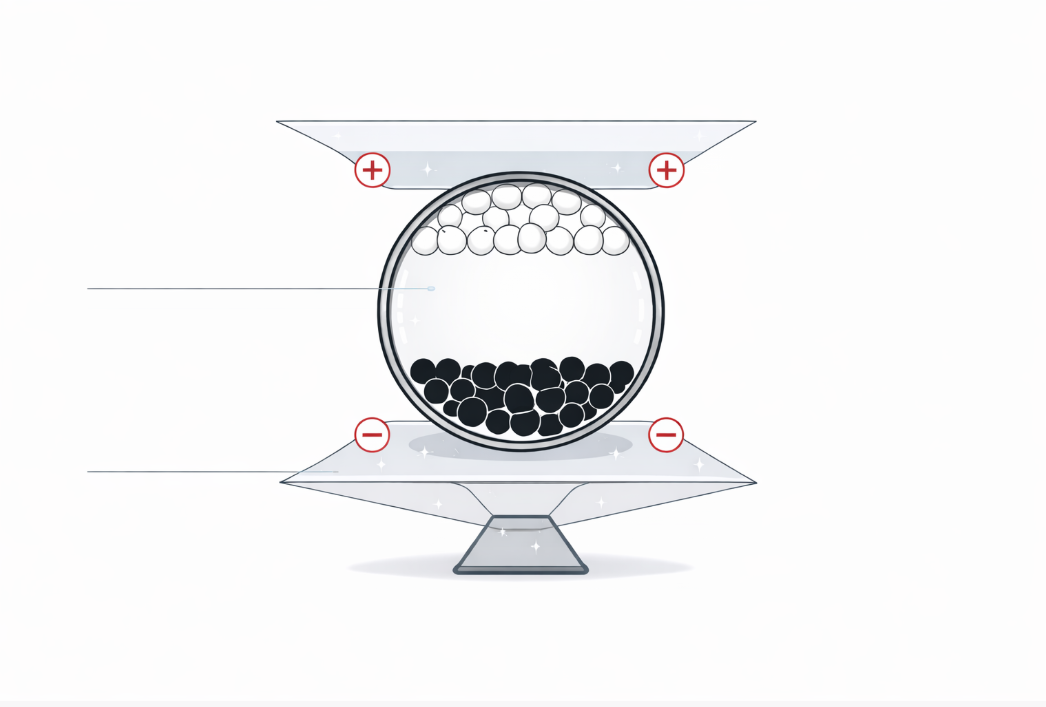
Microcup ePaper is a type of electrophoretic display (EPD) technology, similar to other ePaper technologies like microcapsule and microcup displays, but with some distinct differences. At its core, Microcup ePaper relies on an electric field to move charged black and white particles within a liquid medium, creating an image at each pixel. This technology offers a dual-stable state, meaning it can display static images without consuming power until the image is updated. It is commonly used in applications where low power consumption and readability are essential, such as digital signage and e-readers.
How Does Microcup ePaper Work?
The Microcup ePaper Display Module consists of several key components:
- Glass Cover Plate: This is the top layer of the display, protecting the technology within.
- Thin-Film Transistor (TFT) Substrate with Embankment Structure: The TFT substrate has source and gate lines, which are used to control each pixel.
- Electrophoretic Liquid (Plasma Slurry): This is the key element, a liquid containing black and white particles that can move when an electric field is applied.
- Drive IC and Flexible Circuit Board (FPC): These components manage the electric fields and drive the particles to form the display.
The plasma slurry (electrophoretic liquid) is coated on the TFT substrate, with each pixel having an embankment structure. This unique “embankment” structure contains the liquid in small compartments, each one corresponding to a pixel. When an electric field is applied, the black and white particles move within these tiny chambers, and their position determines the pixel’s color.
What sets Microcup ePaper apart is the absence of an encapsulating microcapsule structure. Instead, the particles are contained within tiny “microcups” that hold the particles in place. This results in improved clarity and higher contrast compared to other types of ePaper technology, making the display more vibrant and easier to read.
The Key Benefits of Microcup ePaper
- High Contrast and Brightness: One of the standout features of Microcup ePaper is its high contrast ratio. Unlike other ePaper technologies, which may struggle with brightness, Microcup ePaper can deliver bright, clear displays with a high degree of contrast. The clarity and vividness of the display make it ideal for use in environments with varying lighting conditions.
- Low Power Consumption: Like other ePaper technologies, Microcup ePaper uses minimal power. It consumes energy only when the image is refreshed, which makes it an excellent choice for devices that need to maintain static content for extended periods without draining the battery.
- Wide Temperature and Humidity Range: Microcup ePaper performs well in a variety of environmental conditions, making it suitable for both indoor and outdoor use. The technology can withstand a wide range of temperatures and humidity levels, ensuring durability in diverse climates.
- Fast Refresh Rates: Unlike traditional ePaper technologies, which may have slower refresh rates, Microcup ePaper is capable of displaying updated content at a faster rate. This makes it a better choice for applications that require frequent content updates, such as digital signage.
- Dual-Stable Display: The dual-stable state feature of Microcup ePaper means that once the image is displayed, it remains visible without power until it is refreshed. This energy efficiency is a major advantage for devices that rely on long battery life.
Color Capabilities and Use Cases
While traditional Microcup ePaper displays are limited to black and white, color is achieved through the use of color filters. By adding colored layers, such as red, green, or blue, to the display, Microcup ePaper can show up to 4096 colors. This opens up new possibilities for vibrant displays that were once reserved for more power-hungry technologies like LCDs.
Microcup ePaper technology is perfect for applications where color is needed but power consumption remains a concern. It is particularly effective in digital signage, outdoor advertisements, and information boards. The ability to display colorful, readable content with low power consumption makes it an attractive option for modern advertising and smart signage systems.
Challenges and Technological Development
While Microcup ePaper technology offers significant advantages, there are some technical challenges that need to be addressed. One key issue is the potential for the plasma slurry to leak or flow between the microcups when pressure is applied. This “flow” can cause distortion in the display. Overcoming this issue is a major focus of ongoing research and development in the field, with companies working on improving the physical structure of the display to ensure better stability and performance.
Conclusion: SEEKINK’s Innovation in ePaper Technology
SEEKINK is a leading innovator in the ePaper industry, developing cutting-edge display technologies that are changing the landscape of digital signage. Our E-Ink Billboard is a prime example of the company’s commitment to advancing ePaper technology. With the use of Microcup ePaper, the e-Ink Billboard offers a vibrant, high-contrast, and energy-efficient solution for large-scale digital signage. SEEKINK’s products not only deliver superior display quality but also contribute to sustainability by offering low-power alternatives to traditional digital signage technologies.
SEEKINK is continuously pushing the boundaries of ePaper technology, ensuring that our products meet the growing demand for energy-efficient, environmentally-friendly, and highly functional display solutions. With a focus on innovation, SEEKINK is poised to lead the next wave of digital display technology.
