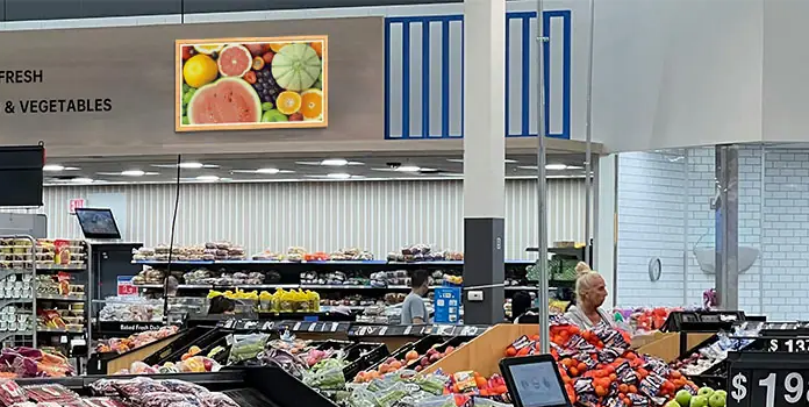
The retail landscape is evolving rapidly with the advent of innovative technologies that promise to enhance operational efficiency, reduce costs, and improve customer experiences. Among the most groundbreaking of these technologies are Electronic Shelf Labels (ESLs), which are transforming how retailers manage pricing, inventory, and in-store displays. ESLs utilize electronic paper (ePaper) technology to replace traditional paper tags, offering numerous advantages, including low power consumption, durability, and easy updates. In this article, we’ll dive into the details of ESL systems, their components, and how they are reshaping the retail sector.
What Is an Electronic Shelf Label (ESL)?
An Electronic Shelf Label (ESL) is a digital price tag that replaces the traditional paper tags used on retail store shelves. Unlike LCD screens, which require constant power, ESLs use ePaper technology that maintains the displayed content without consuming energy. These labels are typically powered by small button batteries, offering an impressive lifespan of over 10 years. ESLs can be easily updated remotely through a central management system, which is a huge advantage for retailers with multiple branches or dynamic pricing strategies.
An ESL system consists of three main components:
- Electronic Shelf Label (ESL) Terminal: The label itself, which includes a small ePaper display capable of showing text, images, or graphics.
- Gateway (Base Station): This component facilitates communication between the ESL terminal and the central cloud management system.
- Cloud Management System: A cloud-based platform used for remotely managing the pricing, content updates, and status of all ESLs within a store or across multiple locations.
The power of the ESL system lies in its ability to wirelessly transmit data to the labels via proprietary communication protocols, which typically operate over Bluetooth or 2.4 GHz frequency bands. This wireless communication not only simplifies installation but also reduces the need for extensive rewiring, which is often required with traditional digital price tags.
Types of Electronic Paper Displays (EPDs)
While ESLs can be categorized into two main types—liquid crystal display (LCD) and ePaper—the latter has quickly become the preferred choice for retail applications due to its unique advantages.
- LCD-based ESLs: These labels require continuous power to display information, making them less efficient than ePaper solutions. They also have a higher installation cost due to the need for wiring and power supplies. LCD ESLs are primarily used in large-format displays but are not ideal for the typical retail environment where energy efficiency is crucial.
- ePaper-based ESLs: ePaper displays, like those used in SEEKINK’s electronic shelf labels, use a form of electronic ink that does not require continuous power. Once the information is displayed, it stays on the screen until updated, which makes it incredibly energy-efficient. These labels are powered by small batteries and can last for up to 10 years, even with frequent updates.
ePaper ESLs come in various sizes, including 1.54-inch, 2.13-inch, 2.6-inch, and even larger displays like 10.2-inch and 13.3-inch versions. The most commonly used size in retail is the 2.13-inch model, as it strikes the perfect balance between readability and space efficiency.
Advantages of ePaper Electronic Shelf Labels
The adoption of ePaper-based ESLs has been driven by several key benefits that make them ideal for modern retail environments:
- Energy Efficiency: ePaper requires minimal power to maintain the displayed content, making it much more energy-efficient than other display technologies like LCD.
- Durability: ePaper displays have an exceptional lifespan. With a typical battery life of over 10 years, these labels can operate for long periods without needing a battery change.
- No Wiring Required: Unlike LCD displays, ePaper ESLs do not require extensive wiring for installation, which reduces installation time and costs.
- Environmental Benefits: The long lifespan and low power consumption of ePaper ESLs contribute to sustainability by reducing waste and the need for frequent battery replacements.
How ESLs Are Used in Retail
ESLs are primarily used in retail environments where pricing changes frequently or where a large number of products need to be managed efficiently. Some of the most common applications include:
- Supermarkets and Convenience Stores: ESLs make it easier for retailers to update prices in real-time, allowing for promotions, discounts, and inventory changes to be reflected instantly across the entire store.
- Pharmacies and Electronics Stores: These types of stores benefit from ESLs as they often carry a wide range of products that require constant price adjustments or stock updates.
- Fresh Produce and Specialty Retail: Stores with perishable goods, such as fruits and vegetables, can quickly adjust prices as the products approach their expiration dates.
In addition to price updates, ESLs can display product information, promotional messages, and even QR codes, which enhances the customer experience and provides greater engagement opportunities.
Technological Advancements in ESLs
The ePaper industry is continuously advancing, and one of the significant developments in the ESL market is the introduction of four-color electronic shelf labels. Traditionally, ESLs were limited to black and white displays, but new color versions now support a broader spectrum of visual content.
For example, SEEKINK’s four-color ePaper display (such as the 2.13-inch EPD model) incorporates red, green, and blue colors in addition to black and white. This makes it ideal for displaying dynamic content like promotions, product categories, and attention-grabbing messages. These four-color models are part of the ongoing shift from simple monochrome displays to more vibrant, eye-catching labels, providing retailers with enhanced communication options and better visual appeal.
SEEKINK: Innovating the ESL Market
We specialize in providing high-quality EPD modules for electronic shelf labels (ESL), empowering brands and retailers to deploy flexible, energy-efficient digital displays. With long battery life and robust durability, these modules form the foundation of modern, sustainable ESL solutions.
By supplying reliable EPD modules, SEEKINK supports retailers in optimizing operations, reducing costs, and enhancing customer engagement without directly competing with our clients’ brand offerings.
In summary, the ESL market is evolving rapidly with innovations such as full-color ePaper and energy-efficient displays. As a source factory for EPD modules, we provide the technology that powers retail e-ink these solutions, enabling brands to bring cutting-edge, sustainable products to market efficiently.
